In My Twin Mom Era: A Designer's Retro Embroidery Review
When a new design like "In My Twin Mom Era" lands on my screen, I stop thinking about files and start thinking about stitches. As someone who spends more time with a hoop than a mouse, my first question isn't about the format, it's about the fabric. How will this look when it's threaded and stitched? Let's walk through that, from the initial impression to the final, embroidered product.
The First Impression: Wavy Retro Charm
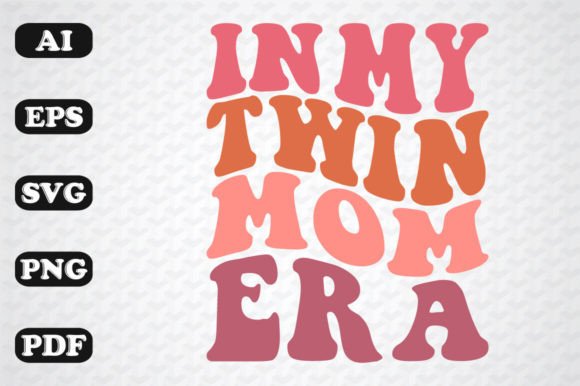
The mood here is instantly nostalgic and celebratory. The retro wavy script isn’t just a font choice; it's a personality. It feels playful, a little bit proud, and inherently joyful. That’s a powerful starting point for any embroidery project aiming to connect emotionally. The layout is straightforward—the phrase is the star—which means my embroidery machine isn’t going to wrestle with overly complex layers or minuscule decorative accents. The detail level feels intentional for stitching: the letters have enough weight to hold a satin stitch beautifully, and the wavy baseline provides a gentle, guiding rhythm for the overall shape.
This design has a visual personality that belongs on something meant to be seen and enjoyed daily. It’s not a hidden detail; it’s a statement. That tells me it’s a natural fit for a centerpiece embroidery project—think the front of a sweatshirt, the panel of a tote bag, or proudly displayed on a nursery pillow cover. It’s a design that wants to be the focal point.
Real-Life Embroidery: Where This Design Shines
I’m picturing a specific scenario: a client orders a custom embroidered tote bag as a gift for a friend who just welcomed twins. She wants something personal, durable, and stylish. This is where "In My Twin Mom Era" enters the real world. On a sturdy canvas tote, the retro script will pop. The satin stitch on the letters will give a clean, glossy finish, and the fill in the background elements (if present in the design path) will provide a solid, textured base. The result isn’t just a bag; it’s a commemorative item.
That’s the magic of a well-suited embroidery file. It transcends the digital preview. This design performs excellently on custom apparel where the fabric is stable: sweatshirts, hoodies, and long-sleeve tees are perfect canvases. It would also make a charming, large-scale patch that could be applied to a baby blanket or a decorative apron. For boutique merchandise or Etsy listings, it creates a recognizable, thematic product line—"Mom Era" gifts could become a small collection. For holiday gifts or personalized products, it’s instantly relatable and giftable, boosting buyer engagement because it speaks directly to a lived experience.
Visual Appeal and Professional Polish
The clarity of the stitching directly affects customer trust and the perceived value of your handmade product. A crisp, well-defined phrase like this, with good stitch density and no thread breaks in tiny corners, presents professionally. It tells your customer you care about the craft. For brand consistency, if you’re a creative entrepreneur focusing on family-centric or celebratory themes, this design slots in neatly. Its friendly retro vibe enhances the handmade presentation, making the finished product feel both custom and classic.
Careful Application: Where to Proceed with Caution
Not every design is for every surface, and honest review means noting the limits. The wavy nature and likely lettering size mean I’d be cautious on very small hoop sizes. You need enough space for the waves to flow without being cramped. On textured fabrics like some knits, or on thin, stretchy jersey, the detail might lose definition without the right stabilizer strategy. Always test on a scrap first.
Dark fabric backgrounds require thoughtful thread color contrast—a bright, creamy satin stitch would be gorgeous here. On curved surfaces like caps, the elongated, flowing layout might need adjustment to fit the contour gracefully. The key is to inspect the small details in your software preview and imagine them translated into stitches on that specific surface. For products destined for frequent washing, like baby clothes, ensuring the stitch density is secure and the design isn’t too dense for the fabric weight is crucial for longevity.
A Designer's Practical Notes Before Hooping
My process before committing any design to a client’s garment always involves a few checks. For "In My Twin Mom Era," I’d run these mental and practical steps:
- Test on Scrap Fabric: Use the same material you plan for the final product. See how the stitches lay.
- Check Thread Contrast: View it in black and white mockups to judge light/dark value separation, then choose actual thread colors.
- Review the Paths: Look at the stitch density in your embroidery software. Is it appropriate for your chosen fabric?
- Confirm Hoop Size: Measure the design dimensions against your hoop and your product’s available space.
- Stabilizer is Key: Especially for lighter apparel or textured fabrics, the right stabilizer will make this design sing.
- Licensing for Use: Since the description mentions use on various products, I always advise confirming the specific licensing terms before selling finished items or using it in commercial embroidery projects. Is it for personal use, commercial physical products, or both? That clarity is essential for a craft business.
These steps aren’t just precaution; they’re what turns a good digital embroidery file into a great finished product. They affect everything from stitching clarity to your professional reputation.
The Final Stitch: A Design Built for Celebration
Ultimately, "In My Twin Mom Era Retro SVG PNG" feels like a design asset built for celebration. It’s not a generic graphic; it’s a targeted, mood-setting piece. In the hands of an embroidery designer, it becomes a tool for creating meaningful custom apparel, personalized gifts, and small shop merchandise that resonates. Its strength is in its clear, emotive theme and its stitch-ready layout. The potential pitfalls are typical of any script-based design and are easily managed with standard embroidery good practices.
For embroidery designers, Etsy sellers, and makers looking for a design that bridges retro style and contemporary motherhood celebration, this offers a solid foundation. Your job is to bring it to life with thoughtful thread, fabric, and technique. The result, on that tote bag, sweatshirt, or baby item, will be a product that feels both handmade and perfectly pitched—a design that’s been thought through, not just clicked onto.