From SVG to Stitches: Putting This Mom Design to Work
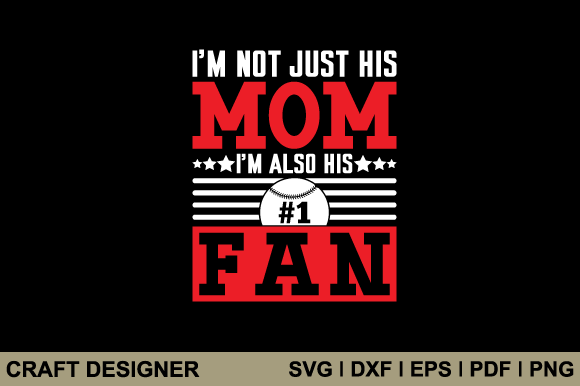
When I open a design file like I m Not Just His Mom I m Also Svg File, I'm not just looking at a graphic. I'm looking for a project, imagining the threads and the fabric, and thinking about the person who will eventually wear or hold it. Let's walk through that process with this one.
The First Impression: Warm, Witty, and Ready for Fabric
The concept here is immediately relatable and carries a charming, slightly humorous warmth. It’s more than just a label; it’s a declaration of identity. The layout and phrasing suggest a design meant for a personal touch, something to celebrate a connection. For embroidery, this translates into a project that feels heartfelt rather than generic, a quality that’s gold for gift items and personalized merchandise.
It naturally belongs on items that speak to relationship and care. My mind goes straight to a cozy sweatshirt for a mom, a sweet tote bag, or a delicate pillow cover for a nursery. The mood is confident and affectionate, perfect for creating a product that feels like a conversation.
The Real-World Embroidery Scenario: A Custom Tote Bag
Let’s ground this in a real case. Imagine you’re preparing a custom embroidered tote bag as a gift for a friend who’s just become a mother. You want it to be special, durable, and something she’ll actually use. This design fits that brief perfectly.
The text-based nature of the design means its success hinges on stitching clarity. Using the provided vector files like SVG or EPS, you can scale it confidently for a medium-sized hoop, ensuring the lettering remains crisp. On a canvas tote, a well-executed satin stitch for the letters would give it a luxurious, professional handmade presentation that elevates a simple bag into a cherished keepsake.
Where This Design Finds Its Home
Beyond that tote, I m Not Just His Mom I m Also Svg File performs beautifully across a range of real-life embroidery situations. For custom apparel, think of a left-chest embroidery on a relaxed-fit sweatshirt. For baby items, a smaller version embroidered on a blanket corner adds a subtle, sweet touch. It's strong for patches, aprons, and kitchen towels—any product where personality is the main feature.
For small business owners and Etsy sellers, this design is a versatile asset. It can anchor a whole line of "mom merch" – from caps to pillow covers. It lends itself well to printable mockups for digital product listings, and its clear, universal message has high giftability, which drives customer engagement.
Careful Considerations for Stitching Success
No design is universally perfect for every substrate, and a thoughtful embroiderer knows where to proceed with caution. With this design, the primary focus is the text.
On very small hoop sizes, the lettering detail could become challenging. On textured fabrics like some sweaters, or stretchy fabrics like t-shirts, you’ll need to be meticulous with your stabilizer choice to prevent distortion in the clean lines of the words. Tiny, intricate corners in the font style, if present, require attention during the stitch-out.
For dark fabric backgrounds, thread color contrast is paramount. A test on scrap fabric is essential—not just for color, but to review stitch density. A too-dense fill stitch on a thin fabric can lead to puckering, while on a curved surface like a cap, you need to ensure the design layout accommodates the shape without losing its impact.
Products destined for frequent washing, like baby clothes or kitchen linens, need robust stitching. This means evaluating the design's stitch structure for durability, possibly opting for a simpler fill if the file allows, to ensure the sentiment lasts as long as the product.
The Impact on Your Work and Your Customer
When you choose a design like this for a project, you're making choices about visual appeal and perceived value. A clean, well-embroidered version of this message conveys stitching clarity and craftsmanship. That builds customer trust—they see a polished finished product, not just a cute saying.
For creative entrepreneurs, using such a relatable design consistently across your product range—say, on sweatshirts, totes, and prints—can enhance brand consistency. It tells your audience you understand a specific sentiment. The handmade presentation feels intentional and professional, directly affecting buyer engagement and, ultimately, sales.
Practical Notes from the Hoop
Before you commit this design to a final project, here’s my standard checklist. Always test it on a scrap of your target fabric first. Check thread color contrast for both light and dark backgrounds; sometimes a design that pops on white needs a completely different palette for navy. Inspect the small details in your software preview at the actual size you’ll hoop.
Use proper stabilizer for your fabric type—this is non-negotiable for text clarity. And crucially, confirm the licensing terms for this digital embroidery file. The product description notes it comes in SVG, DXF, EPS, PDF, and PNG formats, which is excellent for flexibility, but you must verify whether its use extends to commercial projects, selling finished items, or if it's for personal use only. This step protects your craft business.
Finally, think about the recipient. This design, stitched with care onto a quality item, transforms from a graphic into a meaningful object. That’s the real test of an embroidery file’s worth: not just how it looks on screen, but how it feels in someone’s hands.