Evaluating the Cat Mom Design for Embroidery Projects
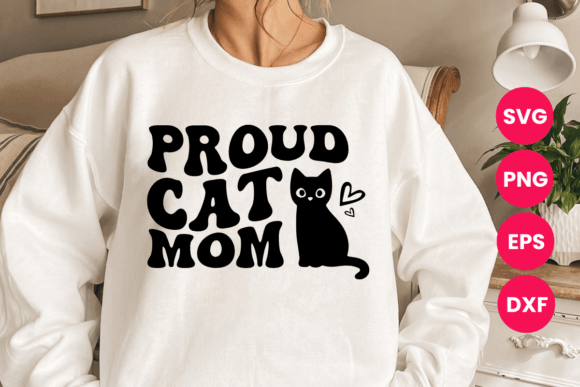
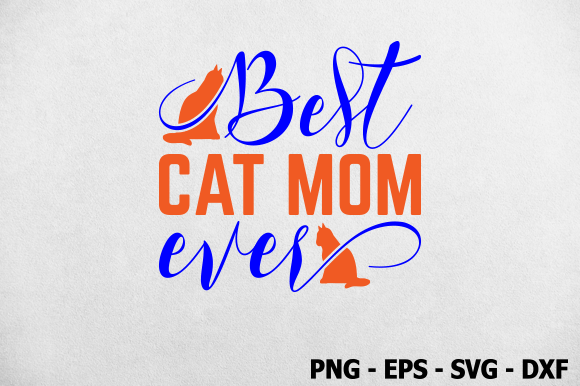
When a new embroidery file lands in my library, my first thought isn’t about the file itself. It’s about the finished product. How will this design look after stitching? What kind of project does it naturally call for? And will it resonate with a customer or gift recipient? Today, I’m thinking through the Best Cat Mom Ever, Cat SVG Design from that very practical perspective.
The Immediate Mood and Visual Personality
This design immediately creates a warm, affectionate, and playful mood. The word art style, blending a feline theme with a personal title, has a friendly and modern personality. It’s not overly ornate, which is a good sign for embroidery. The layout suggests a design that’s meant to be recognizable and heartfelt, not just decorative. For embroidery, this means the focus should be on clean lines and clear readability once stitched. It feels like it belongs on items meant for personal use or gifting—something that speaks directly to a cat lover’s identity.
Where This Design Finds Its Natural Home
Let’s picture a real scenario. I’m preparing a custom embroidered tote bag for a client’s boutique. They want a line of products for pet lovers. The Best Cat Mom Ever, Cat SVG Design comes to mind. On a sturdy canvas tote, executed with a crisp satin stitch for the lettering and a careful fill stitch for the cat elements, this design would transform a simple bag into a conversation piece. It’s specific enough to feel personal, yet universal enough to appeal to a wide audience of cat owners.
Beyond tote bags, this design has a natural fit on casual custom apparel like sweatshirts and t-shirts, where its playful tone matches the garment’s purpose. For baby clothes or nursery decor, if the recipient’s mom is a known cat enthusiast, it becomes a wonderfully personalized gift. As an embroidered patch, it could be applied to aprons, caps, or backpackes. For small shop merchandise like pillow covers or kitchen towels sold on Etsy, it adds a themed, cohesive product to a craft business’s lineup. The design also serves well in digital product previews and printable mockups for sellers of the embroidery file itself, showing potential buyers a clear end use.
Projects That Demand Extra Care
While the design’s charm is broad, its application requires thoughtful execution in certain situations. On small hoop sizes, any tiny lettering or intricate corners could become challenging, risking a loss of clarity. Textured or stretchy fabrics, like some sweatshirt materials, demand proper stabilizer to keep the design from distorting. If stitching on dark fabric, thread color contrast becomes paramount—you need a palette that pops without losing the design’s warmth.
Embroidering on curved surfaces like caps requires testing to ensure the layout adapts well to the shape without awkward gaps or compression. For products destined for frequent washing, such as baby items or kitchen towels, stitch density and durability are key; a too-dense fill stitch might not hold up as well over time. These aren’t drawbacks of the design itself, but rather reminders that the file’s potential is unlocked by the embroiderer’s preparation.
How This Design Translates to Customer Appeal
From a business perspective, a well-embroidered version of this design elevates a product’s value. It feels handmade and personalized, which builds customer trust and engagement. For a creative entrepreneur, it offers brand consistency if you specialize in pet-themed goods. Its inherent giftability is high—it’s a design that tells a story, making the finished product more than just an item; it’s a token of recognition. This emotional connection directly impacts professionalism and buyer interest in your Etsy listings or craft fair table.
A Practical Designer’s Checklist Before Hooping Up
Before committing this design to a client’s project or your own inventory, here’s my routine. First, test on scrap fabric that matches your final product material. This reveals how the details translate into stitches. Second, check thread color contrast for both light and dark backgrounds—sometimes a slight adjustment in hue makes all the difference. Review the stitch density in your software; you want smooth coverage without puckering.
Confirm your hoop size can accommodate the design comfortably, allowing for clean borders. Inspect any small details closely; are they distinct enough when stitched? It’s also wise to test in black and white mockups to judge form separate from color. Always use proper stabilizer for the chosen fabric. Finally, a crucial step for any craft business: confirm the licensing of the digital embroidery file. Understand whether it’s cleared for personal and commercial projects before selling finished items. This due diligence protects your work and respects the designer’s terms.
The Final Stitch: A Design with Purpose
The Best Cat Mom Ever, Cat SVG Design, when viewed through the lens of real embroidery work, is more than a graphic. It’s a design asset with a clear purpose. It evokes a specific mood and fits a recognizable niche. Its success on a sweatshirt, a tote bag, or a baby blanket depends on the embroiderer’s skill and preparation, but the design itself provides a strong, appealing foundation. For the maker looking to create products that feel personal, professional, and full of character, this file offers a solid path from digital download to cherished finished product.