A Retro Dance Mom Embroidery Design Review
Today, I’m looking at the Retro Mother s Day SVG - Dance Mom design from a practical embroidery perspective. Forget the marketing blurbs; let’s talk about how this graphics file actually translates into thread on fabric. As someone who turns digital assets into finished products daily—for clients, my shop, and as gifts—the real test is in the hoop.
The First Stitch Impression
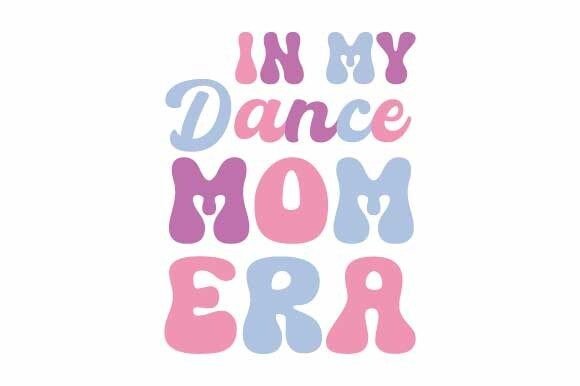
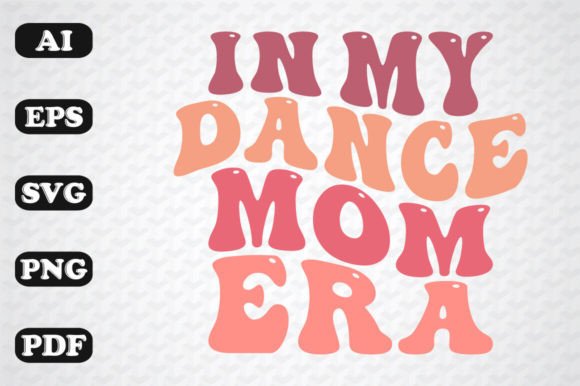
The moment you open this design, the mood is clear: nostalgic, celebratory, and playful. It has that retro charm that feels both timeless and specific. The layout is bold, with a central theme that’s instantly recognizable. The level of detail strikes a good balance—it’s illustrative without being overly intricate, which is a crucial point for machine embroidery. This isn’t a design that whispers; it declares itself. That visual personality tells me it belongs on items meant to be seen and enjoyed, not hidden away.
Where This Design Naturally Thrives
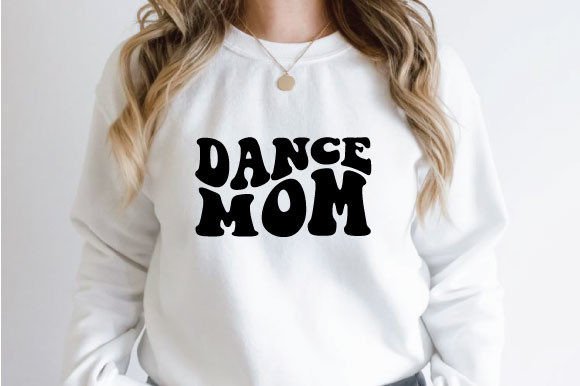
In my workshop, I immediately picture this on a custom embroidered tote bag for a dance teacher, or as a standout feature on a cozy sweatshirt for a proud mom. The theme lends itself perfectly to personalized gifts and small business merchandise. Think boutique baby items like a keepsake blanket for a dance studio owner’s newborn, or a crisp apron for the mom who runs the recital bake sale. It’s a strong candidate for holiday gifts, particularly Mother’s Day, of course, but also as a birthday or thank-you present within that community. For Etsy sellers and craft fair vendors, this design can anchor a whole line of dance-themed products—from pillow covers to simple wall art.
Performance in Real Embroidery Situations
So, how does Retro Mother s Day SVG - Dance Mom perform when the machine starts running? On sturdy fabrics like tote bag canvas or sweatshirt fleece, I anticipate clean, crisp results. The bold shapes should translate well into satin stitch or fill stitch areas without becoming overly dense. On apparel like t-shirts, using a good stabilizer will be key to prevent puckering, especially if the design has larger filled sections. For something like a baby clothes application, scaling becomes important—you’d want to ensure the design remains clear and soft on smaller items.
One of my favorite tests is imagining it as an embroidered patch. The retro aesthetic makes for a fantastic standalone patch that could be applied to bags or jackets. In commercial embroidery projects, like a small batch of caps for a dance team’s moms, the design’s recognizability boosts engagement. It’s a design that tells a story, which increases the perceived value of the finished product. For digital product sellers, this graphics file makes for strong printable mockups, showing potential buyers exactly what they’re getting.
Spots Where You Need to Pay Extra Attention
Every design has its careful-use zones. For this one, I’d be mindful on very small hoop sizes. If you shrink it down too much for a tiny corner on a tea towel, some of the charming details might lose their clarity. Similarly, on textured or very stretchy fabrics, the stitch density needs to be appropriate to maintain the shape. Dark fabric backgrounds require thoughtful thread color choices—a test on scrap fabric first is non-negotiable here to ensure contrast and visibility.
Applying it to curved surfaces like caps demands checking the layout to avoid awkward placement of key elements. And for any product destined for frequent washing—like kitchen towels or baby items—you’d want to ensure the stitch construction is robust enough to hold up. This isn’t a critique of the design itself, but a standard professional note: always test the embroidery file on your intended substrate before committing to a client project or production run.
The Impact on Your Project and Your Customer
Using a design like this affects more than just the stitch count. It influences visual appeal immediately. A well-embroidered retro design on a handmade product creates a sense of thoughtful craftsmanship. That builds customer trust and enhances your brand consistency if you cater to a nostalgic or celebratory niche. The giftability is high—it’s personal without being overly generic.
From a business standpoint, for creative entrepreneurs and apparel decorators, a clear, well-executed design like this supports professionalism. It looks intentional, not slapped on. Buyer engagement comes from that instant recognition and emotional connection. A “Dance Mom” isn’t just a title; it’s an identity, and this design taps into that.
Practical Designer Notes Before You Hoop It
Here’s my quick checklist for putting Retro Mother s Day SVG - Dance Mom into action:
- Run a test on scrap fabric that mimics your final product’s weight and texture.
- Check thread color contrast for both light and dark fabric backgrounds. Consider doing a simple black and white mockup to see the form.
- Review the stitch density in your software to ensure it’s suitable for your chosen fabric—thin fabrics need lighter density.
- Confirm the hoop size you’ll need for your desired final output size. Inspect small details and any potential tiny lettering to ensure they’ll stitch out cleanly.
- Use the proper stabilizer for your project. This is one step that makes or breaks a professional finish.
- Most importantly, check the licensing terms provided with the graphics file. Confirm whether it supports personal use, commercial embroidery projects, or both before selling any finished items or incorporating it into your small shop product line.
Remember, the product description mentions use on t-shirts, mugs, pillows, bags, and more. That versatility is a great starting point, but for embroidery, we focus on the fabric and thread translation. This design, with its strong retro theme and bold layout, has the potential to become a standout piece in your next embroidery project, whether it’s a one-off gift or a best-selling tote bag design in your craft business. Approach it with practical prep, and it’ll stitch out with personality.