A Practical Review of the Autism Mom Autism Awareness Design
When a new embroidery design arrives, I always look at it from the perspective of a finished project. I’m thinking about the thread, the fabric, and the person who will eventually wear or hold it. The Autism Mom Autism Awareness SVG design comes to me with a clear purpose, and my first task is to see how it translates from screen to stitch.
The First Impression: Warmth and Direct Connection
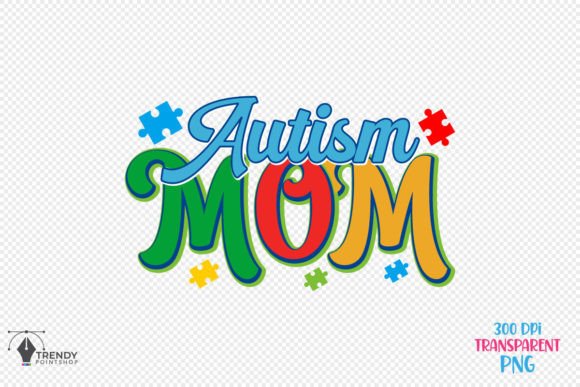
The layout has an immediate, heartfelt clarity. It’s not overly ornate; the theme is front and center, creating a mood of supportive recognition rather than just decorative flair. This visual personality means it belongs to projects where the message is the primary gift—a tote bag for a fellow parent, a pillow cover in a therapist's office, or a simple, dignified sweatshirt. The detail level is balanced, avoiding tiny intricacies that might get lost in certain fabrics, which is a good sign for real-world application.
Where This Design Excels in Real Projects
I envision this embroidery file performing beautifully on stable, everyday items. A custom embroidered patch for a backpack, stitched onto a canvas tote bag, or centered on a kitchen towel for a caregiver’s home. It would be a strong, clean statement on a baby blanket, turning a practical item into a personalized gift of solidarity. For small business merchandise, like a simple sweatshirt in a boutique or an apron sold at a craft fair, the design offers a professional yet approachable look that builds customer trust through its genuine theme.
The provided high-resolution files—the PNG, JPG, and PDF—are crucial here. The 12x12 inch size and 300 DPI resolution give me the flexibility to scale the design appropriately for different hoop sizes without losing integrity. This is essential for creating printable mockups for an Etsy listing or preparing the actual machine embroidery design for a client’s order. It feels ready for a multitude of creative uses, from a single holiday gift to a small batch of commercial embroidery projects for a local support group.
A Scenario: Preparing a Custom Embroidered Tote
Let’s walk through a real case. I’m preparing a tote bag for a client who wants to gift it to an ‘autism mom’ friend. I pull up the Autism Mom Autism Awareness SVG. On a natural canvas bag, I imagine a crisp satin stitch for the main elements and a solid fill stitch for the supporting shapes. The design’s layout should allow the stitching to sit cleanly without puckering, provided I use a proper stabilizer. The customer’s reaction I anticipate isn’t about flashy detail, but about the clear, heartfelt recognition it conveys—that enhances the product value and the handmade presentation immensely.
Considerations for Successful Stitching
While the design is adaptable, embroidery is about material reality. On textured fabrics like some sweaters, or on dark fabric where thread color contrast is paramount, a test on scrap fabric first is non-negotiable. I would check stitch density in the preview to ensure it’s not overly dense for lightweight items like baby clothes. On curved surfaces like caps, the design’s proportions would need careful adjustment for placement.
Small details and any lettering must be inspected closely before stitching. If there are intricate corners, they might require a slower stitch speed or a change in needle type to preserve clarity. For products that need frequent washing, like apparel or tea towels, a robust stitch construction is key—I’d consider thread type and stabilizer choice from the outset. The design’s appeal hinges on stitching clarity; a blurry or distorted outcome would undermine its powerful message.
How This Design Affects Your Creative Business
For craft business owners and digital product sellers, this isn’ just a graphic; it’s a design asset that can drive engagement. When used in finished products, it communicates a specific, supportive brand consistency. Its giftability is high for niche occasions, which can translate into meaningful sales for a small shop. For commercial embroidery, confirming the licensing terms for selling finished items is a fundamental step I always take—the product description prompts me to verify this directly with the designer.
Using it in printable mockups for your Etsy store or for a digital product preview requires the high-quality background transparency the files provide. This professionalism in presentation directly affects buyer engagement. It shows you’ve invested in a quality embroidery file, which builds trust.
Practical Notes From the Hoop
- Always test the design on a scrap of your intended fabric first. This reveals how it handles the specific texture and stretch.
- Review the design in both black and white mockups to plan your thread color strategy for light and dark fabric backgrounds.
- Confirm your hoop size can accommodate the design at your desired scale without forcing excessive resizing.
- Use a stabilizer appropriate for your base material—this is critical for maintaining the design’s shape and detail.
- Before selling any finished items or derived digital products, check the license. Does it permit commercial use of the embroidered product? This due diligence protects your business.
The Final Judgment: A Design With Heart and Utility
The Autism Mom Autism Awareness SVG strikes me as a design with both heart and utility. It doesn’t try to do everything; it aims to do one thing well: convey a message of awareness and support with visual dignity. For embroidery designers and makers, that focus is a gift. It means the design is more likely to stitch out cleanly, to resonate with the end-user, and to integrate seamlessly into a project lineup—from a single personalized gift to a line of small shop merchandise.
Its strength lies in its appropriate scale and clear artistic intent, making it a reliable choice for your next embroidery project where meaning matters as much as aesthetics. Remember, the crafts and graphics world thrives on this blend of emotion and execution. Approach it with practical steps, and this design can become a beautiful, stitched reality.